

The car audio and 12-volt market is not dying, but it is fundamentally changing shape. Over the next decade, the industry will continue to grow steadily, with the global car audio market projected to expand into the $20B+ range, driven by consumer demand for better in-car experiences and longer time spent in vehicles . However, growth is no longer centered on traditional “deck + speakers + amp” upgrades. Instead, it’s being reshaped by software, integration, and vehicle architecture, forcing dealers to rethink what they sell and how they make money.
One of the most crucial changes is the dominance of OEM integration. Factory-installed systems now account for roughly 65–70% of the market, and they are getting dramatically better, with premium brands using audio as a differentiator and even a subscription revenue stream . Modern vehicles integrate audio into infotainment, safety systems, and vehicle controls, making traditional head unit replacement difficult or impossible. This is pushing the aftermarket toward integration solutions, DSPs, vehicle-specific interfaces, and stealth upgrades, rather than full system replacements. In short, the game has shifted from replacement to augmentation.

At the same time, technology is rapidly advancing toward personalization and immersive audio. Features like AI-driven tuning, spatial audio, and over-the-air updates are becoming mainstream, with personalization technologies growing at rates above 20% annually . Electric vehicles are also changing the acoustic environment: with less engine noise, audio quality becomes more noticeable and more important . Consumers increasingly expect a “home theater on wheels” experience, high-resolution streaming, multi-speaker staging, and app-connected control, which creates opportunity, but also raises the technical bar for installers.
Another major shift is the rise of convenience, efficiency, and space-conscious design. Compact, high-output products, like shallow subwoofers and efficient Class-D amplifiers, are growing quickly because customers want performance without sacrificing cargo space or battery life . Wireless connectivity (Apple CarPlay, Android Auto, Bluetooth) and plug-and-play vehicle-specific kits are also driving demand in the aftermarket . This reflects a broader trend: consumers want upgrades that are invisible, easy, and seamlessly integrated into daily use, not complex, invasive builds.
For dealers, profitability will increasingly come from labor, expertise, and specialization, not just product margin. As hardware becomes commoditized and online pricing compresses margins, successful shops will focus on high-value services: custom fabrication, OEM integration, DSP tuning, and vehicle-specific solutions. The aftermarket itself is still growing at double-digit rates in some segments , but the winners will be those who position themselves as technology integrators rather than “stereo shops.” Recurring revenue opportunities, such as software tuning, system upgrades, and even partnerships with connected services, will also become more important.

Ultimately, the future of the 12-volt market belongs to shops that adapt to complexity. The barrier to entry is rising: vehicles are harder to work on, customers are more informed, and expectations are higher. But that complexity is also the opportunity. Dealers who invest in training, diagnostics, and integration tools, and who can deliver a seamless, OEM-plus experience, will not only survive, but thrive in a market that is shifting from loud systems to smart systems.


Boss Audio Systems
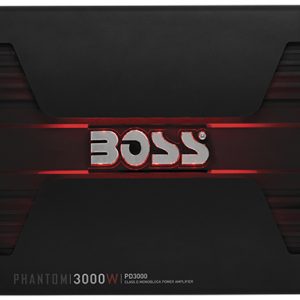
Boss Phantom Class D Monoblock 3000W Amp (791489000000 AVA-PD3000)

6x9 inch


Automotive Light Accessories
Street Vision StreetADAPT 14in LED Wheel Kit (RGB Multi-Color) SV1005364


6 Channel Amplifiers
Boss Audio Systems
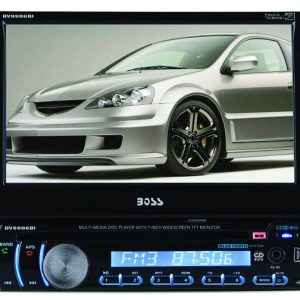
7in Din TS BT Flip Media Center iControl (791489000000 AVA-BV9986BI)


Boss Audio Systems
Boss Chaos Monoblock 2000 Watts Class AB (791489000000 AVA-CHM2000)


Fat Boy Accessories

Amp Fuses

Automotive Light Accessories
Street Vision 3157 F-Series L.E.D. Bulbs – *PAIR* White SVT3157WLED
Razor Tactical


